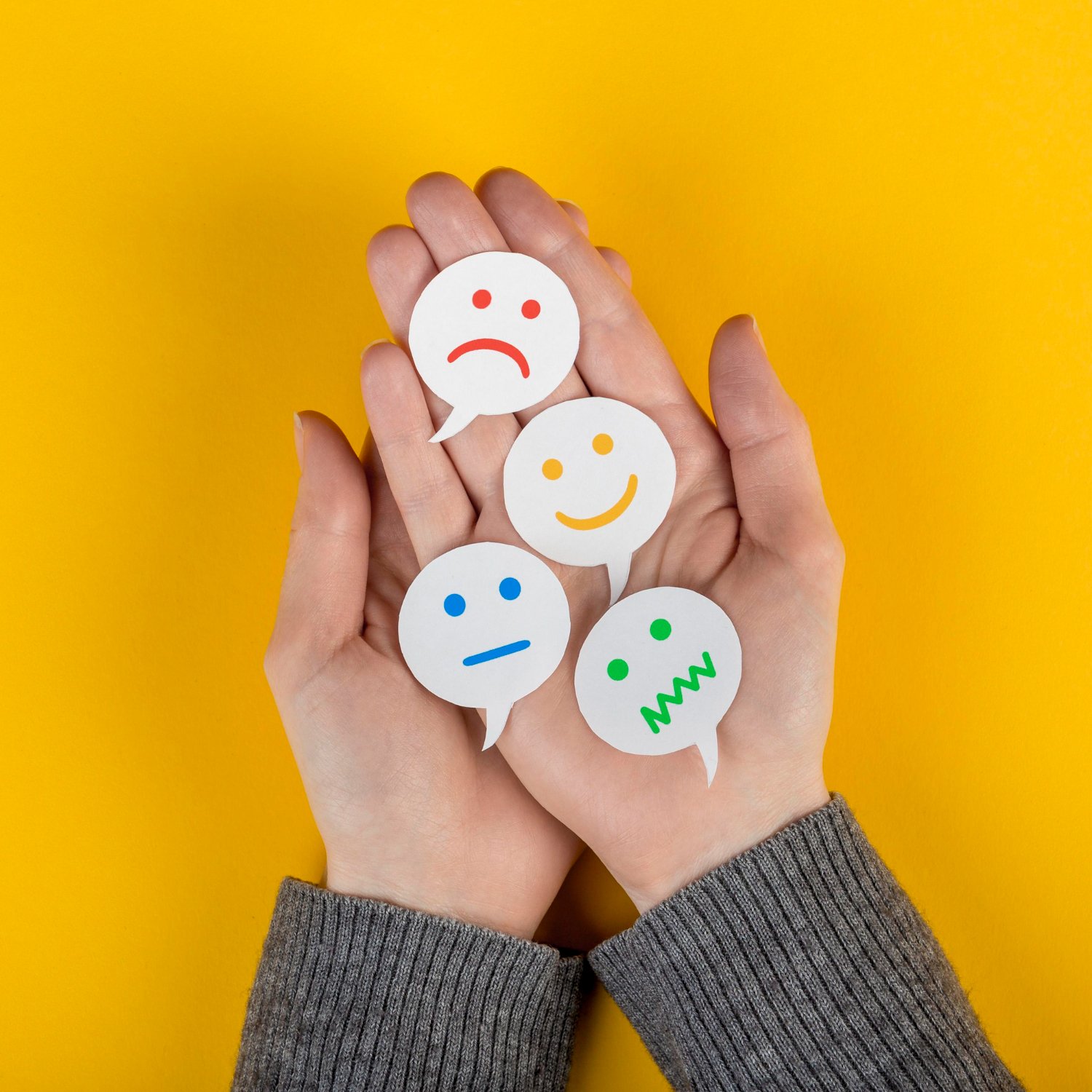
If you’ve ever wondered what to expect when you quit kratom cold turkey, you probably already feel it in your head before your body. One minute you’re fine. Next, your heart races. Your stomach twists. Irritability pops up out of nowhere. Maybe sadness sneaks in for no reason. It’s weird. It’s messy. But it’s normal. Your emotions are catching up with all the sudden changes in your body. Think of it like waking up somewhere unfamiliar. You’re safe, but everything feels off.
Table of Contents
Why Your Emotions Flip Like That
Stopping a substance suddenly messes with your brain chemistry. Dopamine dips. That comfort you used to rely on? Gone. So tiny things feel huge. A simple task feels impossible. A small comment from someone stings more than it should.
You might snap at a friend. Or cry over something silly. That doesn’t mean you’re failing. It means your brain is figuring out a new way to work. Your nervous system is on overdrive, adjusting to life without the quick fix it’s used to.
It’s not just your mood that shifts. Your energy changes too. You might feel exhausted one minute, jittery the next. Thoughts can race. You replay conversations or imagine problems that aren’t really there. Everything feels louder, sharper, more intense. That’s your mind learning to cope without the substance it leaned on for so long.
It’s like restarting your old laptop. Apps crash. Notifications lag. Things freeze. Slowly, the system finds balance. That’s your brain. It’s learning to function differently. And your emotions, as wild as they feel, are just part of that adjustment.
You might even notice small, weird changes. You could feel unusually impatient with minor annoyances. Or sad over tiny things you wouldn’t normally notice. Sometimes fear creeps in for no reason. It’s uncomfortable, but it’s temporary. Every emotional surge is a signal. Your brain and body are recalibrating.
Spotting Triggers Before They Hit
Emotions rarely happen on their own. Your surroundings, habits, even boredom, can make things worse. Sitting alone. Revisiting old routines. Facing deadlines. All of these spike your feelings.
Notice what sets you off. A little journal helps. Write down your moods, what you were doing, and when the emotions hit. Patterns will appear. Awareness gives you some control.
Some triggers are obvious. Maybe evenings feel heavier. Or mornings hit hard. Other triggers may be less obvious – like scrolling social media, hearing certain songs or recalling old memories. Recognizing both obvious and subtle triggers helps you prepare.
You can even map your day. Notice when your emotions tend to flare. Anticipating these moments allows you to implement effective coping mechanisms before emotions take control – maybe taking a walk before lunch, or making time for tea after work? Even minor interventions like these could prevent spirals before they even start.
Even tiny observations make a big difference. Spotting patterns helps you see that the chaos isn’t random. It has causes. And once you know the causes, you have a way to respond instead of just reacting. Awareness is your first step toward managing the emotional storm.
Riding the Emotional Waves
There’s no magic trick. But small steps help. Move your body. Short walks. Stretch. Gentle yoga. Even five minutes can calm your nervous system.
Breathe. Slow inhale. Long exhale. Focus on how your body feels. It works.
Distraction is powerful. Music. Cooking. Cleaning. A show you love. Emotions and cravings hate attention. Starve them a little—they fade.
Talk to someone. Doesn’t have to be advice. Just sharing your feelings helps. Isolation makes waves worse.
Little comforts matter too. A warm drink. Sunlight on your face. A cozy corner. Tiny steps repeated over time calm the storm.
Being Kind to Yourself
The waves won’t last forever. Your brain will find balance. Some days are rough. That’s okay. Don’t punish yourself. Patience is your friend.
Basics matter. Hydrate. Eat simple meals. Sleep when you can. Celebrate small wins. Made it through a tense morning? That counts. Managed a craving? Counts too. Progress, not perfection.
This isn’t about willpower. It’s about adjusting. Every wave you survive makes you stronger. Every small victory counts.
Conclusion
Detox is messy. Emotional. Confusing. Physical. But you can survive it. Understanding triggers, trying little coping strategies, and practicing patience helps. Even when it feels impossible, remember—it’s temporary. Knowing the challenges of quitting substances suddenly helps you see the process clearly. Every mood swing, every little win, every day you make it through matters. You’re learning a new way to live. And honestly? That’s something worth celebrating.