Table of Contents
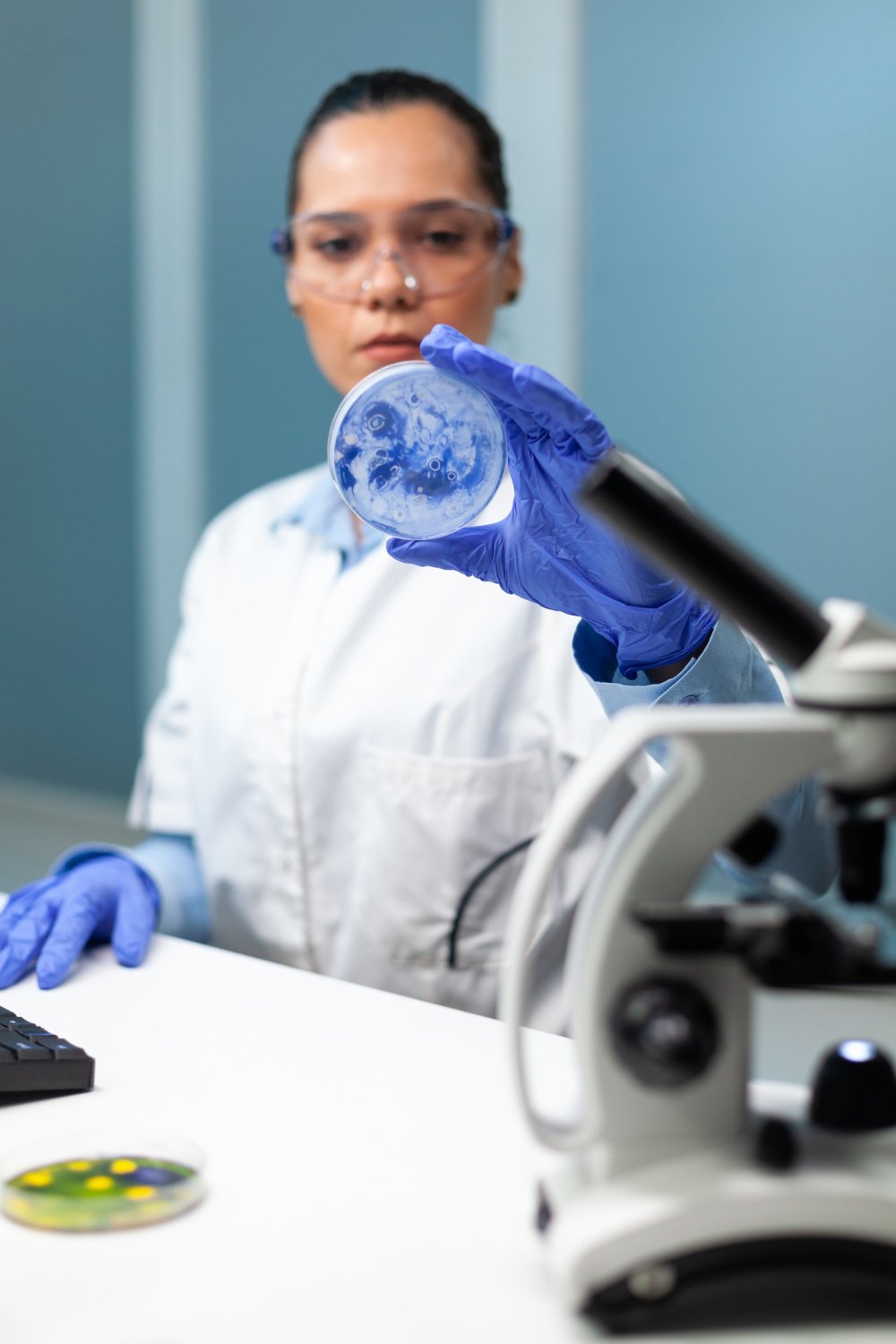
You go to the hospital. Same diagnosis as someone else. Same prescription. Same instructions. Yet weeks later, your results don’t look the same. That gap is frustrating. For patients. For doctors too. And for years, no one really knew why. Now, research is pointing to something small. Very small. The individual cell. Scientists are learning that answers hide there, often revealed using tools like cell sorters, which allow them to separate and observe cells one at a time instead of guessing from the crowd.
Why Studying Cells Actually Matters
Cells might look identical on paper. Same type. Same tissue. Same role. But in real life, they behave differently. Some are cooperative. Others stubborn. A few are downright chaotic.
When researchers study cells in bulk, those differences disappear. Everything blends. Important signals get lost. But when cells are examined individually, patterns start to show. Subtle ones. Powerful ones.
This matters to you because disease doesn’t play fair. Two people can carry the same illness but experience it differently. One responds quickly to treatment. The other doesn’t. Cellular behavior helps explain why. And once you understand that, treatment stops being a guessing game.
The Tools That Make Cellular Research Possible
To truly understand cells, scientists need to separate them. Carefully. Without harm. That’s harder than it sounds.
Cells are fragile. Push too hard and you damage them. Mix them together and results become unreliable. So researchers rely on tools that allow precise separation based on specific traits. Size. Activity. Health. Behavior.
This step is critical. Once cells are isolated properly, they can be studied with clarity. No noise. No confusion. Just clean information.
The goal isn’t complexity. It’s accuracy. Better tools mean better data. And better data leads to better decisions in healthcare.
Turning Lab Insights Into Real Treatment Decisions
Here’s where lab work stops being abstract.
When scientists understand how individual cells react, they can predict how diseases progress. They can see which cells fuel inflammation. Which ones resist medication. Which ones quietly survive treatment and cause relapse later.
In cancer research, this has been eye-opening. Tumors aren’t uniform. Some cells grow fast. Others hide and wait. Treating only one group often isn’t enough. Cellular insight helps doctors adjust strategies before it’s too late.
In autoimmune diseases, studying cells closely reveals which ones are mistakenly attacking healthy tissue. That knowledge helps design treatments that calm the immune system without shutting it down completely.
Even infections behave differently at the cellular level. Some cells fight back. Others become hosts. Knowing the difference changes how therapies are developed.
It also affects how clinical trials are designed. By understanding cellular differences ahead of time, researchers can group patients more effectively. They can anticipate who might benefit from a drug and who might need a different approach. That reduces wasted time, unnecessary side effects, and increases the chances of a successful outcome. Lab insights are guiding real-life decisions at every stage, from testing to treatment.
This is how lab research becomes real care. Slowly. Carefully. But with purpose.
What This Means for Everyday Healthcare
You may never step into a lab. You may never see a microscope. But the work done there affects you more than you realize.
Cell-based research supports personalized care. Treatments chosen based on how your body might respond, not just what usually works. It reduces unnecessary side effects. Improves timing. Sharpens decisions.
It also helps with early detection. Subtle cellular changes often appear before symptoms do. Catching them early can prevent bigger problems later.
These insights even influence how doctors monitor your progress. By understanding your cellular responses, your care team can adjust therapies in real-time. That means fewer surprises. Fewer setbacks. You feel safer knowing your treatment is based on what your body is actually doing, not just averages or guesswork.
In Conclusion
This field isn’t slowing down. It’s accelerating. Researchers can now study thousands of cells without losing detail. Patterns emerge faster. Connections make more sense. Data becomes useful instead of overwhelming. Future treatments will rely heavily on what cells reveal. Therapies designed around real behavior, not assumptions. Adjusted. Refined. Improved. At the center of all this progress are single-cell analysis techniques, guiding how medicine understands disease and shapes treatment strategies moving forward. They replace guesswork with clarity. And confusion with insight.