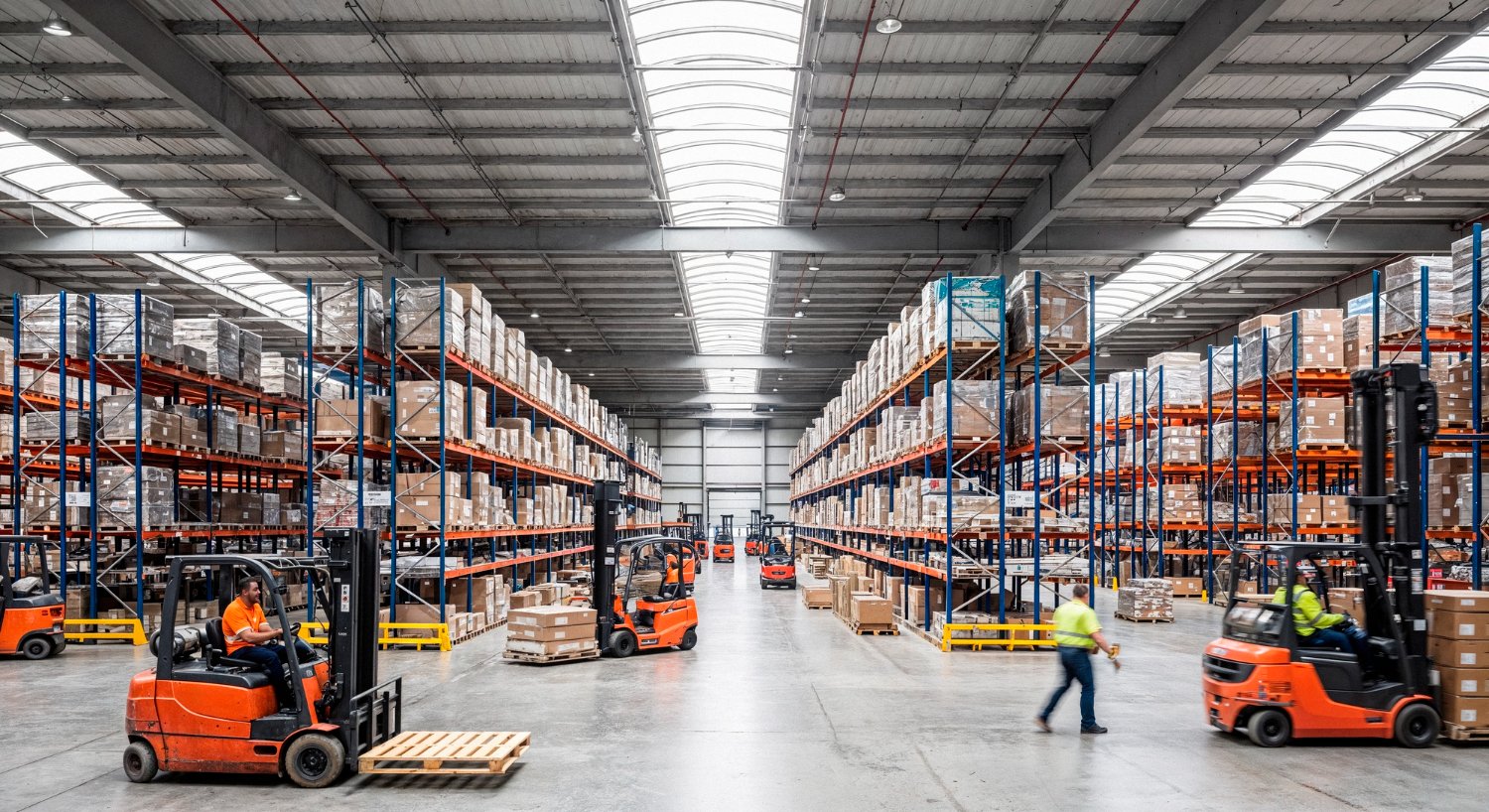
Ever had one of those days where nothing seems to go right? One forklift won’t start. A pallet gets stuck. And suddenly, your whole warehouse feels slow. Frustrating, right? Sometimes, it’s the small stuff that makes the biggest difference. Like, seriously, choosing the right battery for a forklift. Sounds minor, but it isn’t. That one battery can decide if your machines keep moving… or if your day spirals into chaos. Reliable equipment isn’t just a technical thing. It’s the thing that keeps your operation alive and running.
Table of Contents
Understanding Equipment Reliability
So, what do we mean by equipment reliability? Simple. Your machines do what they’re supposed to do. Every time. No surprises. Easy, huh? But in real life, it’s often overlooked. You’re busy with training your team. Or software. Or new processes. Meanwhile, the gear quietly slips off your radar. A forklift dies mid-pick. The conveyor hiccups. Even a hand truck drags. And suddenly, your carefully planned workflow is chaos.
It’s not just about avoiding big failures. Reliability also means predictability. You want to know that when you schedule a task, the equipment will be ready. That your team won’t be waiting around, checking their watches, wondering if the machine will work today. Imagine all of those small interruptions — minor jams, slow starts or battery warnings– that seem inconsequential at first but, over the course of one day, can add up and consume precious hours from your operation. Hours that add up to lost effort, disgruntled staff members and delayed orders.
Reliability can be tricky business: it doesn’t rest solely with machines themselves but also depends on those using and working around them, including environmental factors. Even top equipment can fail under improper handling or placement in spaces that don’t match its requirements.
Heavy humidity, extreme temperatures or tight aisles all play their parts. So, when we talk about reliability, it’s a system, not just a tool. Machines, staff, and space all working together—or failing together if one part is ignored. That’s why paying attention to equipment reliability matters more than you might think.
Key Factors That Affect Reliability
A few things really make or break reliability. First, maintenance. Daily checks. Cleaning. Lubrication. Tiny things, but they work. Ignore them, and small issues turn into huge headaches. Then, parts. Not all are equal. Cheap stuff? Might save a buck now. Cost you later. Remember batteries. Choosing the right battery for a forklift isn’t technical fluff—it decides if your machine works or sits idle.
Staff matters too. Even the best machines fail if handled poorly. Teach your team the right way to operate gear, move loads, deal with minor issues. It’s simple. Saves time, stress, accidents. And the environment? Yeah, that counts. Heat, humidity, layout—all affect machinery. Reliability isn’t just the machine. It’s the people and the space. All of it.
Daily Practices to Keep Things Moving
You don’t need fancy systems. Start small. Inspect forklifts daily. See a loose bolt? Tighten it. Battery low? Replace it before it dies mid-shift. Keep simple downtime logs. Over time, patterns show up. You’ll spot trouble before it hits.
Even small stuff matters. Checking battery cycles, monitoring wear—it prevents surprises that slow everyone down. And here’s the kicker: when your team trusts the machines, they work faster, smarter, safer. Confidence spreads. Mistakes drop. Suddenly, the warehouse flows. Feels lighter. Easier.
Technology That Helps
Technology can help, but it’s not magic. It’s more like a helper than a replacement. Think simple monitors, sensors, and alerts that warn you before a problem becomes a disaster. For example, some sensors can tell you if a forklift’s battery isn’t holding a charge, or if a motor is straining. You get a heads-up before it actually fails. That’s huge.
Even just basic tracking can make a difference. Log machine usage, note odd sounds, flag slowdowns. Over time, patterns appear. You can schedule maintenance, replace parts before they break, and avoid the classic “why isn’t this working right now?” moments. It also frees your team to focus on real work instead of constantly babysitting equipment.
Conclusion
Reliable equipment isn’t a luxury. It’s the foundation. Small choices—daily maintenance, staff training, good parts, simple monitoring—make huge differences. When machines behave, your team can focus on what matters. All of that adds up. And in the end, it’s exactly what helps with maximizing warehouse productivity. Fewer delays, less stress, a warehouse that just works. Simple, really.